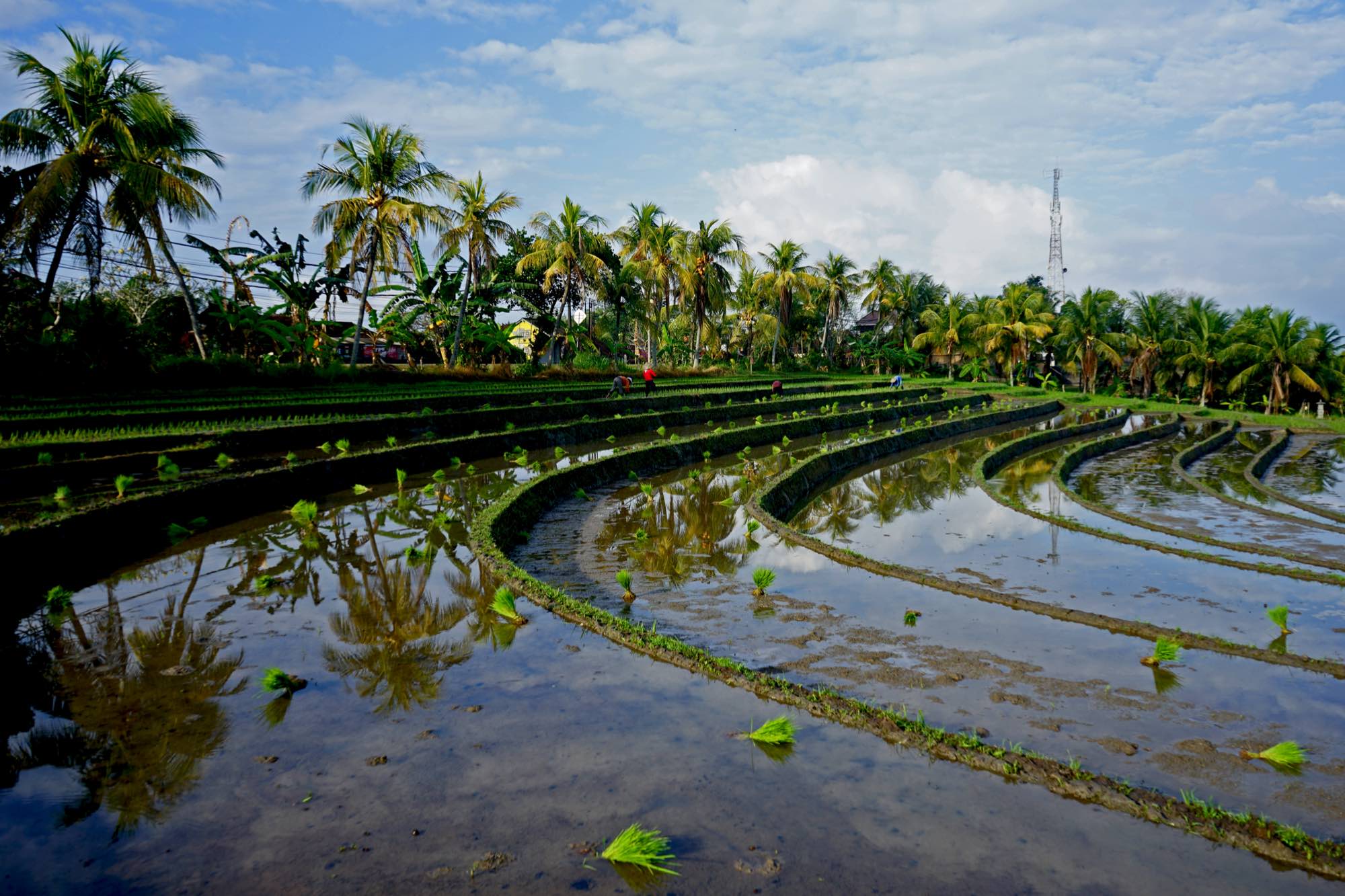
The island
Bali stopped being a holiday.
It became an address.
Seven million people flew in last year. The number that matters more is how many stopped leaving. This page is about the second group — the schools, the visas, the hospitals, the flights and the daily cost of a life here, rather than a fortnight of one.
The people who came and did not go home
Underneath the arrivals figures a quieter shift has been running for a decade. Remote work made a year in Bali possible; the international school system made it sustainable for families. Those two things together turned a holiday island into somewhere with a school run, a September intake, sports fixtures and a parents' WhatsApp group — the infrastructure of staying rather than visiting.
It also broadened who comes. India is now among the largest source markets, and arrivals from China, Japan and South Korea each grew by close to a fifth in a single year. The island's population of residents no longer rests on any one country's economy or any one currency.
Source: BPS-Statistics Indonesia, Bali Province
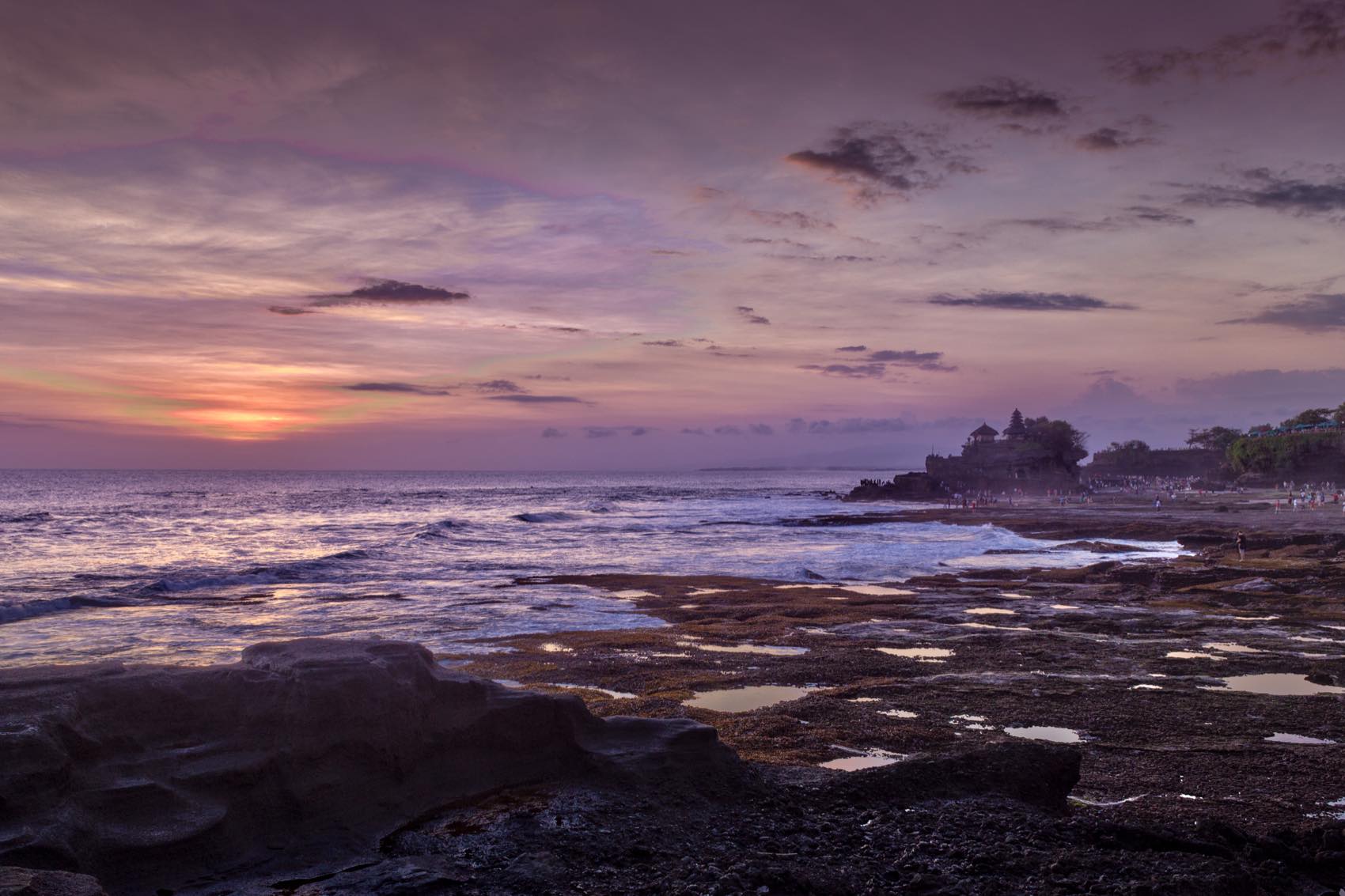
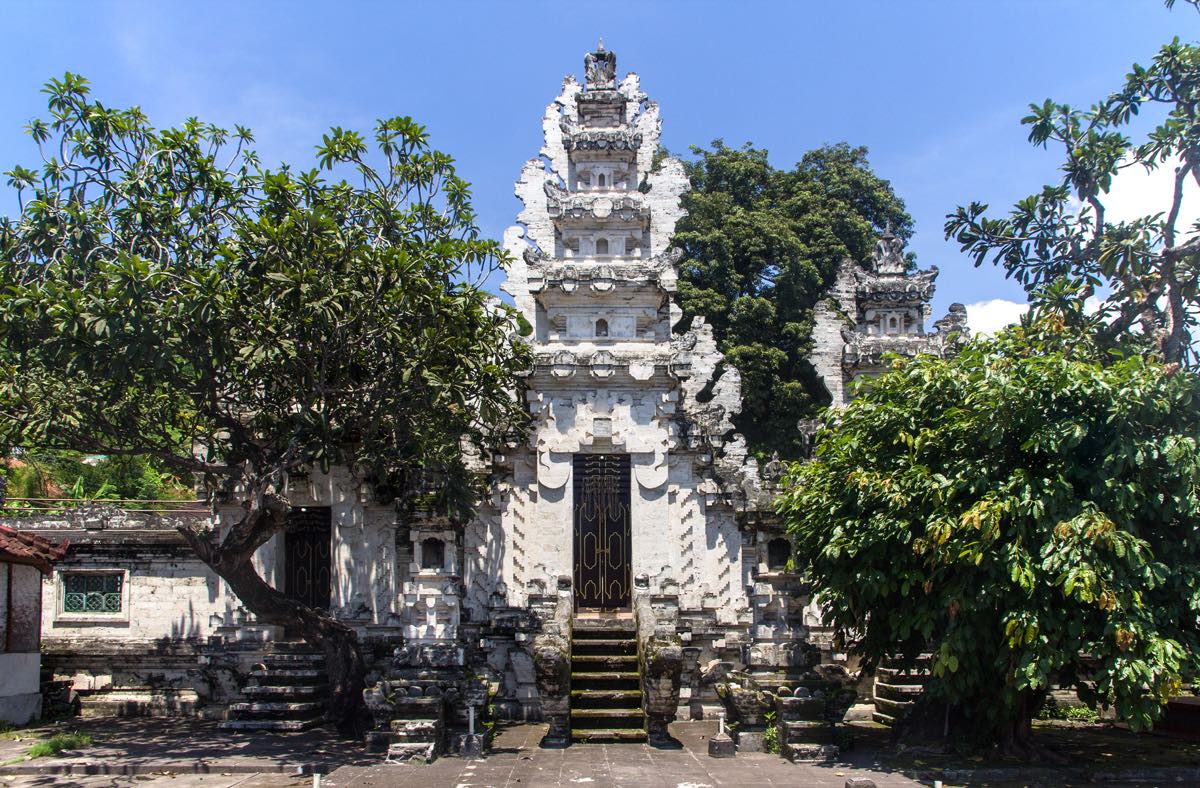
Tanah Lot is in Tabanan. So is Kaba Kaba.
The temple most people fly across the world to photograph is a short drive from the site.
Schools are why families stay
For most families the school decision comes before the house decision, and it is the single thing that turns a year abroad into a decade. Three schools anchor the west of the island, and all three are inside a short drive of Kaba Kaba.
Sun School Bali
The closest school to the site, and the reason a number of families have chosen this stretch of Tabanan. Early years through primary.
ProEd at Nuanu
Part of the Nuanu development immediately next to Kaba Kaba — the arrival that changed the area's profile more than any other single project.
Green School Bali
The internationally known one — bamboo campus, sustainability curriculum, and a draw that brings families to the island in the first place.
Between them the island now offers a route from kindergarten through to an IB diploma without leaving, which is the practical test of whether a place can hold a family for more than a couple of years.
How people actually stay
Living in Indonesia long term means holding a stay permit, and in the last few years the routes have widened considerably. Which one fits you depends on whether you work, where your income comes from, and how much you want to commit up front.
- Remote worker permit — for people employed by, or contracting to, a company outside Indonesia, earning foreign income. The route that made a long stay realistic for the people who now make up much of the west-coast community.
- Second home permit — a multi-year stay permit for people who can show funds or qualifying property, with no requirement to work locally or hold a sponsor.
- Golden visa — longer-term residency tied to a larger investment or company stake, aimed at people committing to Indonesia rather than sampling it.
- Retirement permit — for applicants over the qualifying age with pension income, historically the most common route for older arrivals.
- Investor permit — held through an Indonesian company such as a PMA, and the route most relevant to anyone doing business here rather than only living here.
Your stay permit also determines what land title you can hold. A permit-holder can take Hak Pakai in their own name; without one the route is Hak Sewa. That connection is set out in full at Ownership.
How title follows your permit →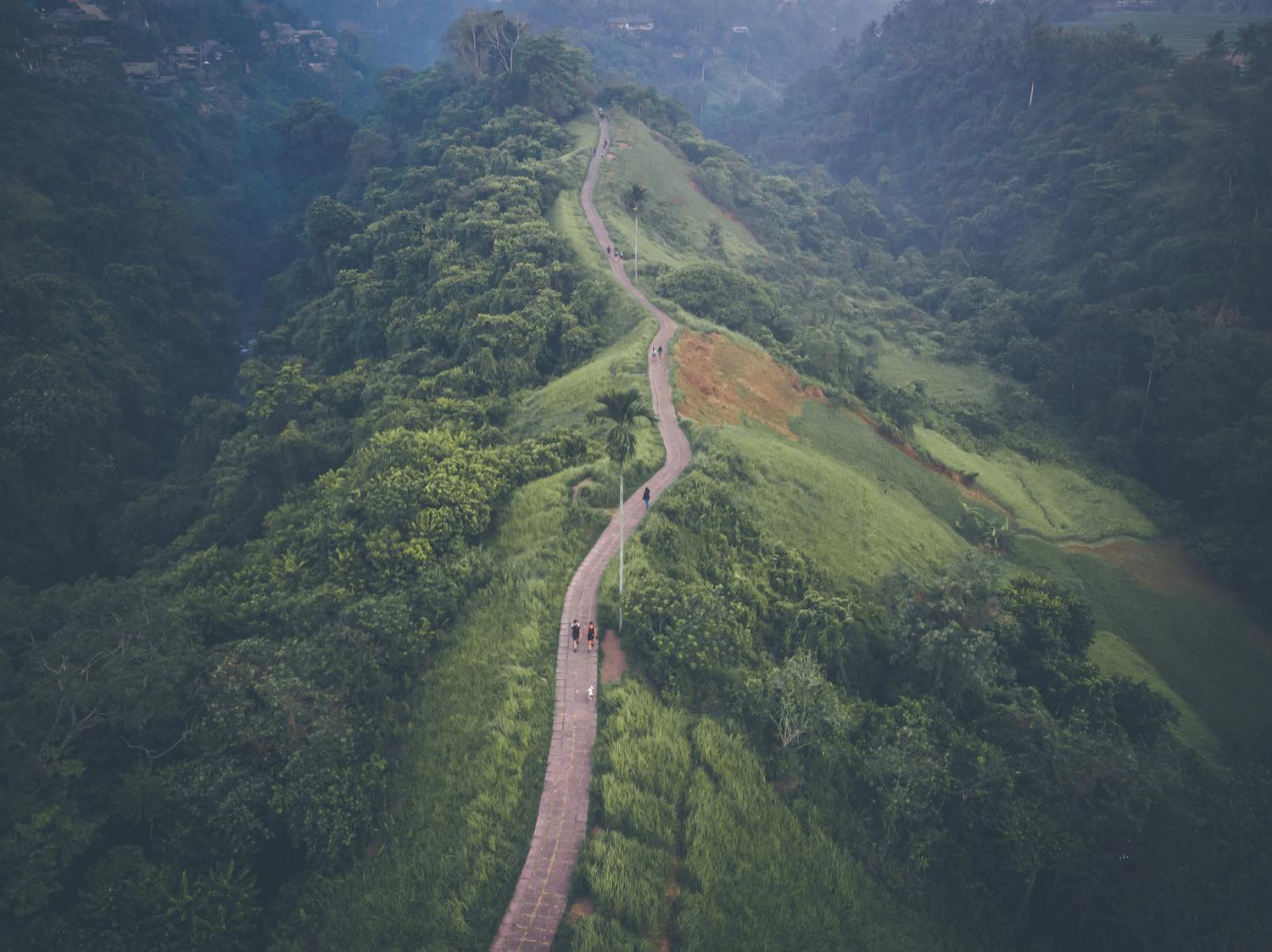
The interior is fifteen minutes wide and takes a decade to finish exploring.
Healthcare, honestly assessed
Bali handles day-to-day and urgent care well. BIMC, Siloam and Kasih Ibu run international-standard facilities in Denpasar, Kuta and Nusa Dua, with English-speaking staff, and the standard of routine care, dentistry and maternity is a long way from what people expect before they arrive.
For complex tertiary care — major oncology, cardiac surgery, anything highly specialised — the honest answer is that people fly to Singapore, which is under three hours away and is why almost every resident family holds international health insurance with a regional evacuation clause.
- Routine and urgent care on the island, to international standards, at a fraction of Australian or British private cost
- Singapore in under three hours for specialist treatment, with direct flights all day
- International health cover with regional evacuation is the norm rather than the exception, and should be budgeted from day one
Ngurah Rai puts you a flight from anywhere
Denpasar is one of the better-connected airports in the region, which matters more than it sounds when family visit and work calls you back. Approximate direct flight times:
Approximate scheduled times for direct services where they operate. Routes and carriers change seasonally.
What a life here actually costs
The honest summary is that a household runs at a fraction of Sydney, Singapore, London or Los Angeles, and the difference is largest in exactly the places that buy back time — help in the house, childcare, eating well, keeping a garden and a pool in order.
- Household help is ordinary here, not a luxury. Staffing a villa — cleaning, garden, pool, a driver when needed — is within reach of an ordinary professional household in a way it simply is not at home.
- Produce, fish and eating out are inexpensive at every level, from the local warung to restaurants that would hold their own in any capital.
- Utilities and connectivity are the modern essentials — fibre is widely available in the developed corridors, and most remote workers run a backup connection because the work depends on it.
- Imported goods, alcohol and cars are the exception and carry heavy duty. Budgets tend to be wrong in that direction rather than the other.
- Schooling is the real line item. International school fees are the single largest cost for most families here and dwarf the savings elsewhere.
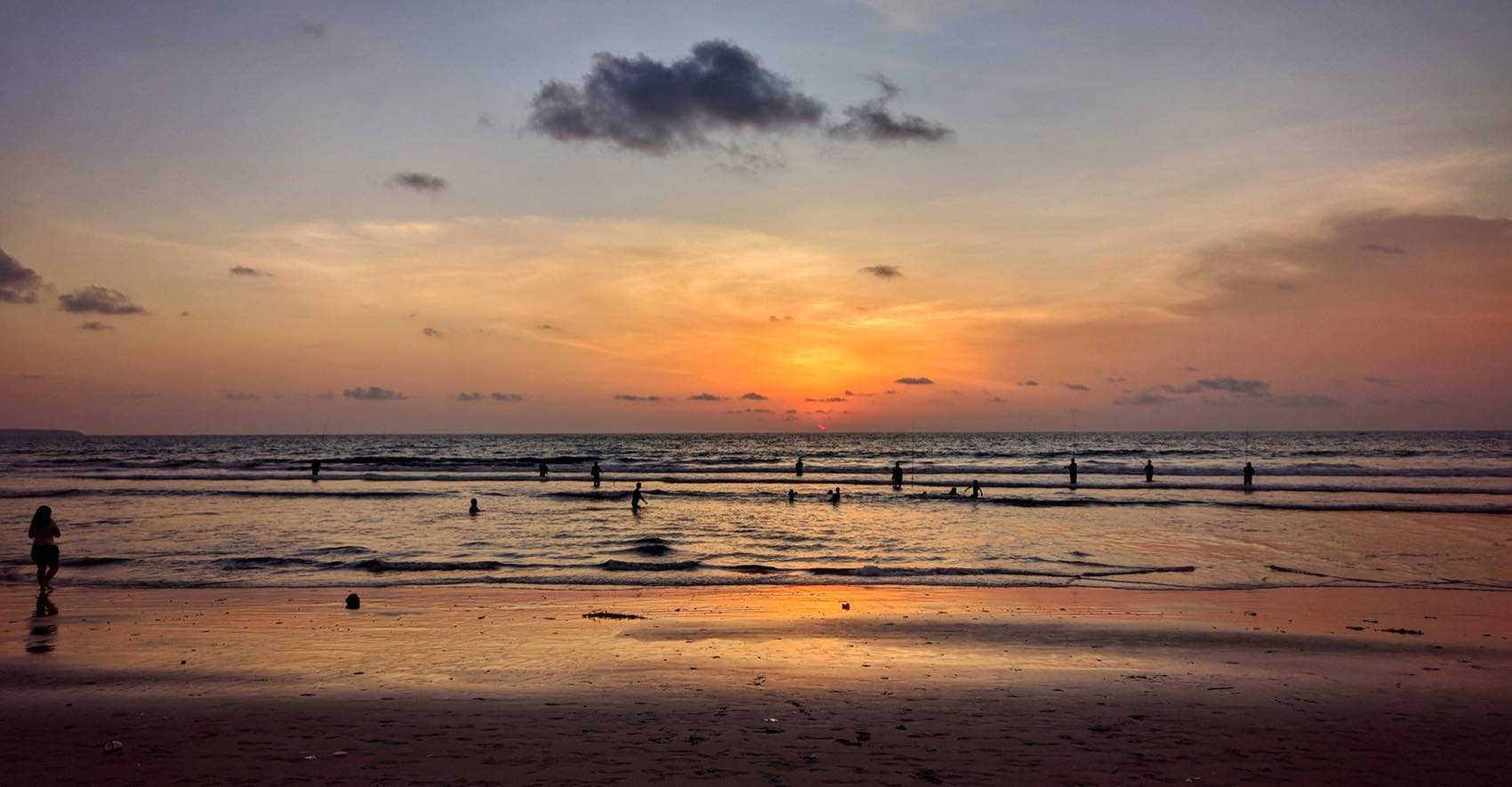
Fifteen minutes to the sand. Every day, not once a year.
Why the west, and why Kaba Kaba
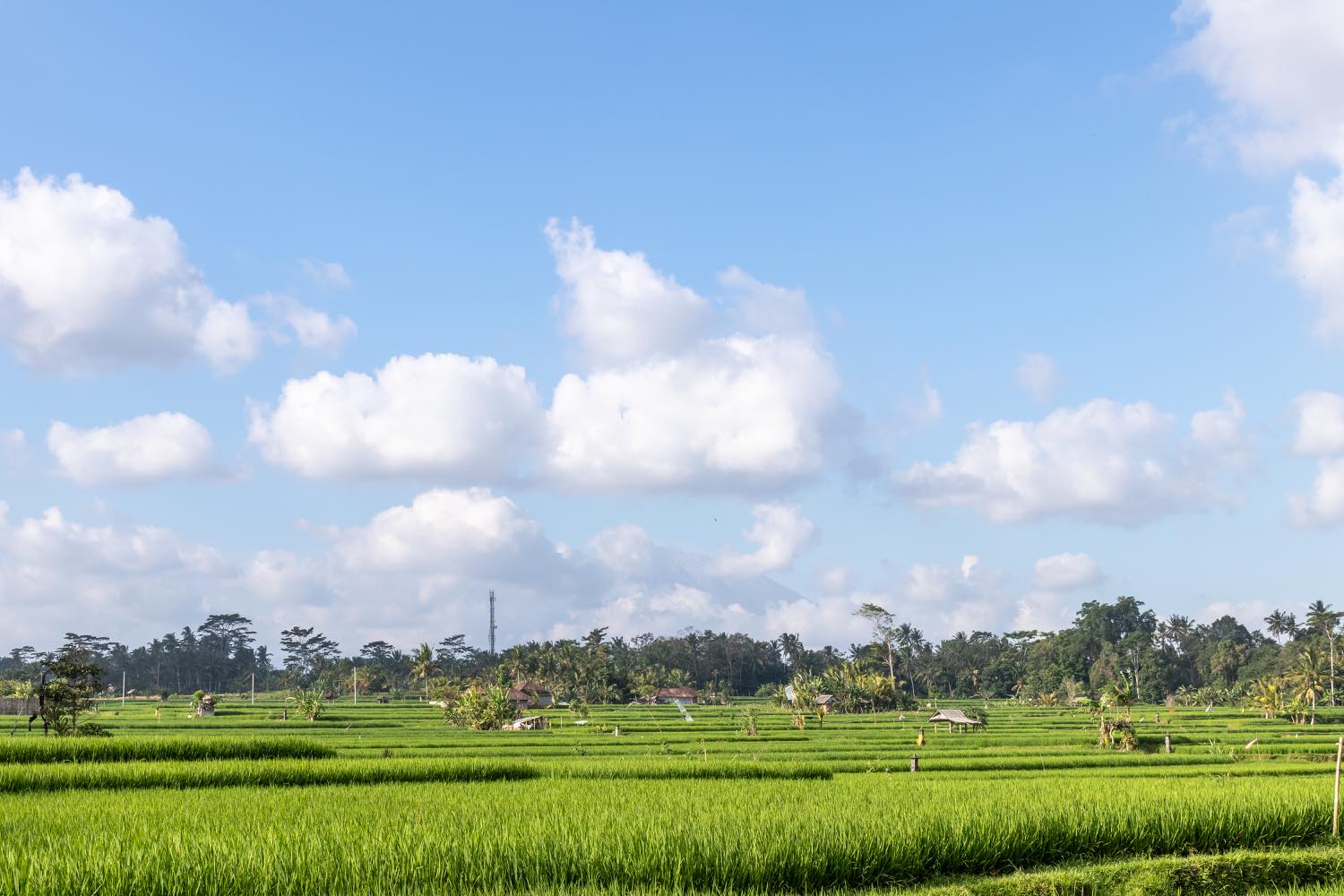
The island's centre of gravity has moved steadily up the coast — Seminyak, then Canggu, then Pererenan, each absorbed in turn. Tabanan is the next stretch of the same road, and Kaba Kaba sits inside it: still rice terraces and temple walls, fifteen minutes from the Canggu area, and immediately next to the Nuanu development that brought ProEd.
It is the version of Bali people describe when they explain why they came — the fields, the temple processions, the quiet — with the coast and the school run both close enough to do on an ordinary weekday.
See what we are building here →Drive times from the Casa Lilee plots in Kaba Kaba, Kecamatan Kediri, Kabupaten Tabanan.
If you are thinking about moving here
Most people arrive with the same three questions — where the children would go to school, how they would legally stay, and what they would actually own. All three are answered on this site, and we will talk through your own position without a sales pitch attached.